What Can you Expect in 2026?
The FDA and NIH are moving away from animal models - FDA plans to phase out animal testing for monoclonal antibodies, and NIH will no longer fund animal-only studies. Organoids, spheroids, and MPS models are stepping in, but challenges still remain: unclear model validation criteria, inconsistent reproducibility, and limited scalability.
The 11th 3D Tissue Models Summit will help you:
- Understand what the FDA considers a validated model and the data needed for leadership buy-in
- Improve reproducibility with high-quality cell sourcing and controlled external factors to ensure reliable preclinical readouts
-
Empower lean teams with automated, streamlined workflows that support scalable adoption of complex in‑vitro models across larger preclinical studies.
- Upskill your whole team with practical insights from real‑world case studies, ensuring everyone returns with aligned learnings they can apply immediately
- Discover how top innovators - including AstraZeneca, Novartis, UCB, Biogen, and Takeda - are scaling these models successfully and applying tried‑and‑tested applications you can adopt in your own workflow
Unmissable Event Highlights
Scalability Through Automation and Optimized Workflows
Machine learning and robotics are transforming complex in vitro model development. Introduce automation and improved workflows to reduce human error and variability when developing organoids and other systems. With variability causing significant readout differences across the same model types, automation could be the key to improving reliability.


Balance Between Speed, Validation and Translatability
You might have a validated, reproducible model, but knowing which models to develop and deploy for speed while ensuring translatability is critical. Biopharma expects candidates in the clinic fast. Since complex in vitro models take time to develop, you may need strategic planning to match the right model to immediate research questions.


Regulatory and Biostatistical Elements of Model Validation
The FDA's roadmap moves away from animal toxicity testing, but there's no guidance on what constitutes a validated model for them. Clarity on the biostatistical and experimental design of model validation is lacking too. Join us as we unpack these challenges to reduce wasted preclinical time and improve leadership buy-in for CIVMs.

Explore The Full Event Guide
- 18+ Expert Speakers
- 7+ Hours of Case Studies
- 5+ Hours of Networking
- 2 Hands-On Workshops
- 8 Hours of Peer Discussion

Attending Companies Include








Explore the Agenda
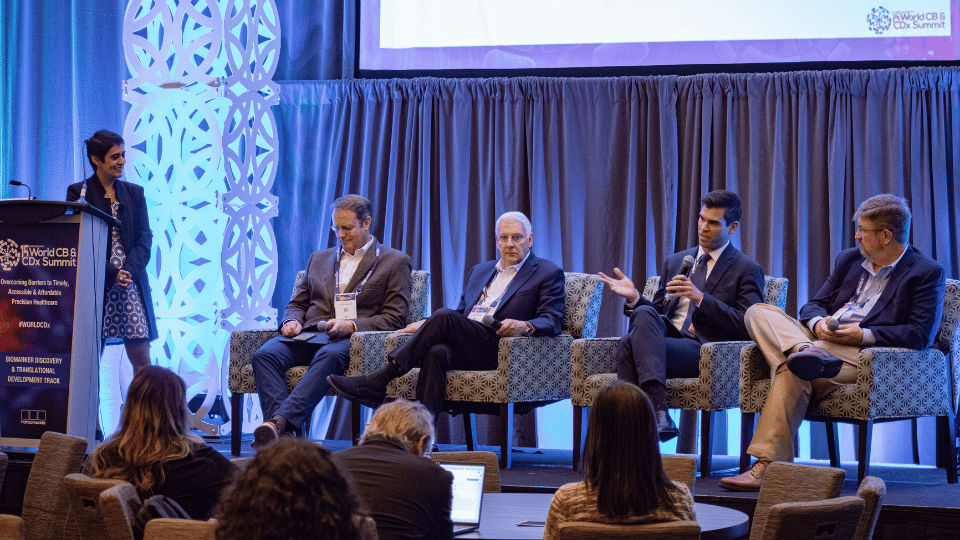
Discover how US and European biopharma are validating organoids, organ-on-chip, and MPS for regulatory acceptance.
Partner With Us
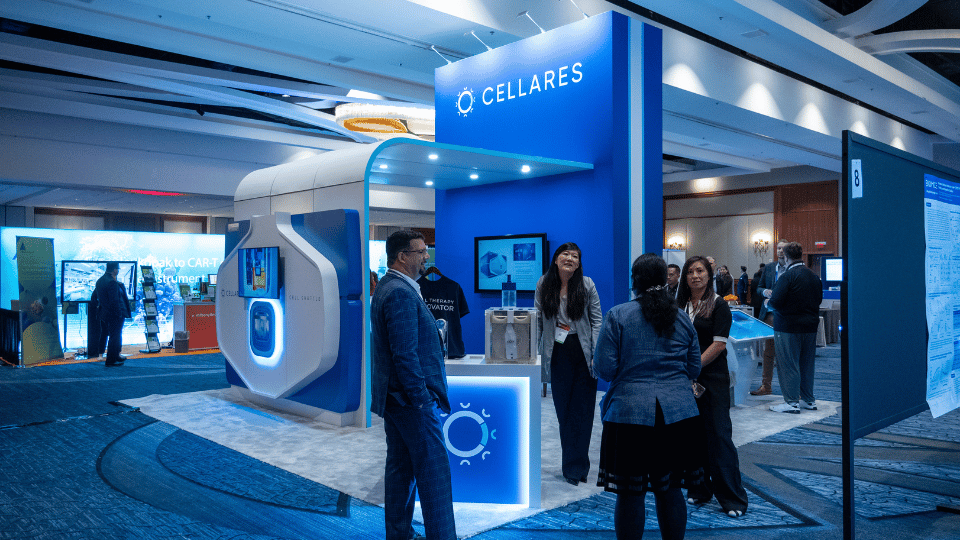
Connect your complex in vitro models with the biopharma leaders adopting them at scale.
Join Cross-Disease Leaders
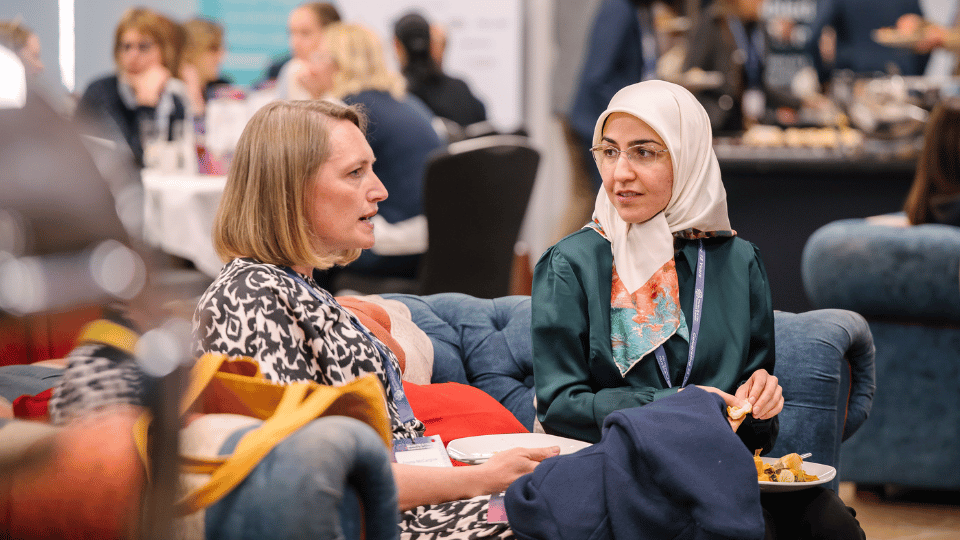
Network with 3D tissue modeling experts tackling validation and translatability across oncology, autoimmunity, neurology, and beyond.